
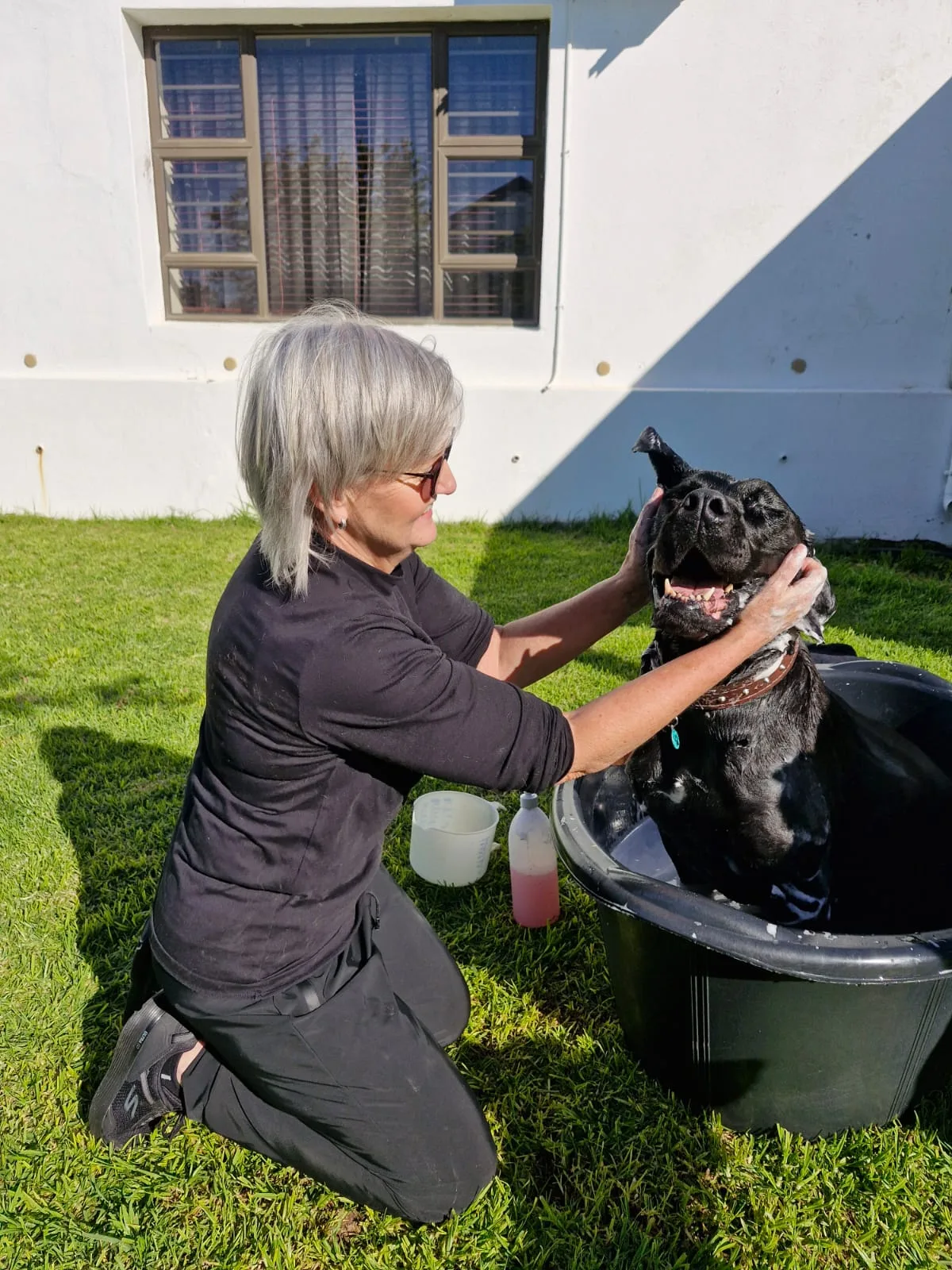
Dog grooming is not only about keeping a dog looking tidy. A simple, regular routine can help you notice changes in the coat, skin, paws and ears, while making brushing and handling more familiar for your dog.
There is no single grooming routine that suits every dog. Coat type, coat length, lifestyle, age, temperament and health all matter. The best routine is one your dog can manage calmly and that keeps small problems from becoming difficult ones.
Quick answer: Start with short, gentle sessions. Match the brush and routine to your dog’s coat, brush out tangles before bathing, use products made for dogs, and stop if your dog appears painful, frightened or unusually uncomfortable. Ask a veterinarian about persistent skin, ear or coat changes.
1. Start with your dog’s coat
Different coats need different kinds of attention.
- Short, smooth coats may need less brushing than long coats, but they still benefit from regular checks and gentle removal of loose hair.
- Long, silky or curly coats can tangle more easily, especially behind the ears, under the legs, around the collar and where the coat rubs together.
- Thick or double coats may shed more heavily at certain times and can hold dirt, grass and moisture close to the skin.
The right brush matters too. A grooming glove or soft short-bristle brush may suit a smooth coat, while a slicker brush, comb or another tool may be more appropriate for a longer or curly coat. If you are unsure which tool suits your dog, ask a groomer or veterinarian for guidance rather than pulling through a knot with force.
For a more detailed schedule, read How Often Should You Groom Your Dog?. This article focuses on the practical routine between professional appointments.
2. Keep brushing short and calm
Many dogs do not love being brushed immediately. Some are sensitive around their ears, legs, belly or tail. Others may associate the brush with a previous uncomfortable experience.
Try this approach:
- Choose a calm place where your dog can stand or settle safely.
- Let your dog see and smell the brush before you begin.
- Start on an area your dog already accepts, such as the shoulder or back.
- Make a few gentle strokes, then pause and reward calm behaviour.
- End the session before your dog becomes overwhelmed.
Several short sessions are usually more useful than one long struggle. If your dog moves away, growls, flinches or shows signs of stress, pause rather than forcing the brush through. A dog that suddenly resists grooming may be uncomfortable, so persistent or severe reactions deserve veterinary advice.
The goal is not to finish the whole coat every time. The goal is to build a predictable, comfortable habit gradually.
3. Deal with tangles before a bath
Loose tangles and trapped grass are often easier to see and address before the coat becomes wet. Water can make some knots tighter and harder to work through.
If a tangle is small, you may be able to loosen it gently with the correct brush or comb. Do not pull hard, and do not use household scissors close to the skin. A large, tight or widespread mat can be painful and may need professional attention.
If the skin beneath a mat looks red, sore or damaged, contact a veterinarian. A groomer can help with the coat, but skin disease, wounds and persistent irritation need proper veterinary assessment.
4. Make bathing comfortable
Most dogs do not need to be bathed simply because a certain number of days has passed. Bathing depends on the individual dog, coat, activity, dirt and health. A muddy walk, a swim or a very dirty coat may change the routine, while a dog with a skin condition may need a plan from a veterinarian.
When bathing at home:
- Use shampoo made for dogs, not human or baby shampoo.
- Use comfortably warm water rather than a cold hose.
- Keep the water and movement as calm as possible.
- Rinse thoroughly so product is not left in the coat.
- Dry the coat carefully and keep your dog comfortable while it dries.
Take extra care with thick or long coats, which can stay damp for longer. If your dog becomes distressed around water, repeated attempts to force a bath can make future grooming more difficult. Short, positive exposure and professional guidance may be a better option.
5. Remember nails, paws and ears
Coat care is only one part of grooming. During a quiet cuddle or after a walk, look at your dog’s paws and nails. Nails that are becoming long, catching on surfaces or clicking more than usual may need attention. Some dogs naturally wear their nails down more than others.
Ears also deserve observation, but they do not all need the same cleaning routine. Look for changes such as redness, swelling, discharge, a strong unusual smell or repeated scratching. Do not push cotton buds or other objects deep into the ear canal. If something looks unusual or your dog appears sore, ask a veterinarian before trying to solve it with repeated cleaning.
After time in grass or outdoor areas, check the coat for burrs, grass seeds, ticks or other debris. Pay particular attention to the ears, paws, armpits and areas where the coat is thick.
6. Know when home grooming is no longer the right answer
Home grooming is useful for maintenance, but it is not always the safest or kindest solution. Consider professional help when:
- the coat is badly tangled or matted
- your dog cannot be handled safely at home
- brushing has become painful or frightening
- you are unsure which tools or products to use
- the coat is difficult to keep clean or manageable
- your dog needs a regular grooming routine that you cannot maintain alone
Professional grooming should be based on the dog in front of you. Coat, size, temperament, condition and the service needed all affect the conversation.
Fairy Dogmother provides personal dog grooming in Wellington, with enquiries welcomed from Paarl and surrounding areas by arrangement. Every grooming enquiry is discussed individually and quoted around the dog’s needs.
If you are unsure what your dog needs, share your dog’s name, breed or type, approximate size, a recent photograph, the service you have in mind and any behavioural, health or mobility considerations. Ask Michelle about a grooming quote.
Frequently asked questions
How often should I brush my dog?
It depends on the coat. Long, silky or curly coats often need more frequent brushing than short coats. Start with a manageable routine and adjust it when you notice loose hair, knots or trapped debris. For a full schedule, see How Often Should You Groom Your Dog?.
What should I do if my dog hates being brushed?
Keep sessions very short, begin in an area your dog accepts and reward calm behaviour. Do not force the brush through a painful knot or continue while your dog is showing significant distress. If the reaction is sudden or severe, ask a veterinarian whether pain or a skin problem could be involved.
Can I cut out a mat at home?
Be very careful. A tight mat can sit close to the skin, making accidental cuts more likely. Do not use household scissors close to your dog’s body. Extensive or painful matting should be assessed by a professional groomer or veterinarian.
Does every dog need the same grooming routine?
No. Breed or coat type is only part of the picture. Lifestyle, shedding, outdoor activity, age, temperament, home maintenance and health can all change what is appropriate.
When should I speak to a veterinarian?
Speak to a veterinarian about persistent itching, redness, sores, unusual smell, discharge, sudden coat changes, pain or a strong change in grooming behaviour. Grooming can help you notice these changes, but it should not replace veterinary care.